Melonia: Blending Gothic Tradition with Modern Artistry
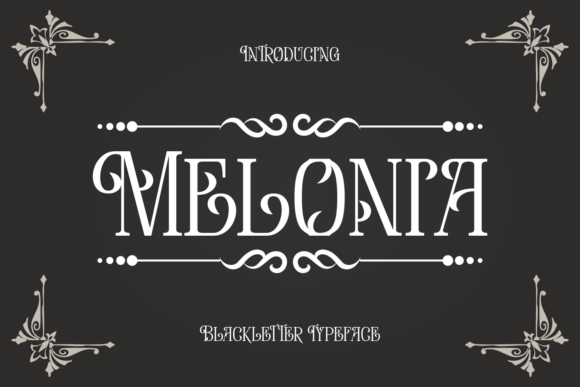
Finding a typeface that captures both historical weight and contemporary flair can be a challenge. You want something with character, a font that tells a story before a single word is fully read. Enter Melonia, a stylish blackletter typeface that manages to feel both familiar and refreshingly new. It takes the bold, structured forms of gothic script and infuses them with unique ornamental swirls and a surprising level of modern readability. This isn't your average blackletter; it's a design asset crafted for projects that demand a touch of gothic charm and artistic sophistication.
The Visual Personality of Melonia
At first glance, Melonia commands attention. Its letterforms are rooted in the blackletter tradition, featuring the strong vertical strokes and angular joints that give gothic typefaces their distinctive presence. However, Melonia distinguishes itself through elegant, decorative curves that soften the typical rigidity. These swirls are integrated thoughtfully, adding a sense of movement and artistry without compromising the font's structural integrity. The serifs are bold and confident, providing a solid foundation for each character. This combination results in a typeface that is both decorative and surprisingly legible, even at smaller sizes—a rare quality in a premium font of this style. Its personality is one of curated elegance, making it a versatile choice for a range of creative font applications.
Where Melonia Truly Shines
The strength of Melonia lies in its ability to adapt to different contexts while maintaining its core identity. It excels as a display font, perfect for headlines and logos where impact is key. In logo design, it can lend a brand an air of heritage, mystery, or artistic flair, ideal for businesses in the creative, artisanal, or entertainment sectors. Think of a craft brewery, a boutique hotel, or a fantasy novel series—the font immediately sets a specific, compelling tone.
Beyond branding, Melonia is a natural fit for editorial design and packaging design. Use it for book covers, especially in genres like historical fiction, fantasy, or gothic romance. Its ornamental details can elevate magazine feature titles or chapter headings. For packaging, it adds a premium, handcrafted feel to products like specialty foods, luxury goods, or artisanal spirits. The font's character also makes it a standout choice for wedding invitations and event stationery, where its elegant curves can convey formality and romance.
In the digital realm, Melonia can be a powerful tool for social media graphics and web design accents. A striking header image or a featured quote in this typeface can stop the scroll and increase engagement. When used sparingly for key elements on a website—such as a hero section title or a special announcement—it adds a layer of visual depth and brand identity that standard web fonts often lack.
Making Melonia Work for Your Project
Choosing a creative font like Melonia requires a thoughtful approach. First, consider your project's audience and message. Is the gothic aesthetic aligned with your brand perception? For a tech startup, it might feel out of place, but for a vintage poster or a fantasy-themed project, it could be perfect. Always test the font in context. Create mockups to see how it interacts with your other design elements, such as imagery and color palettes.
A crucial aspect of using a display font like Melonia is font pairing. Because of its detailed nature, it pairs best with simple, clean typefaces. A classic serif font or a straightforward sans serif font for body text will create a balanced visual hierarchy, allowing Melonia's headings to shine without overwhelming the reader. Avoid pairing it with other highly decorative scripts or handwritten fonts, as this can create visual clutter and reduce readability.
Before purchasing, review the font's full character set and included styles. Does it offer the necessary glyphs for your language? Are there alternate characters or ligatures that enhance its use? Also, pay close attention to the commercial license. Ensure it covers your intended use, whether for a single client project, unlimited commercial work, or specific digital products. A reputable foundry will provide clear licensing terms, making Melonia a safe and professional addition to your design assets.
Readability Considerations
While Melonia improves upon traditional blackletter readability, it's still a stylistic choice best suited for short bursts of text. Use it for headlines, titles, logos, and pull quotes. For extended paragraphs or small body text, always opt for a more neutral serif or sans serif font. The goal is to use Melonia's personality strategically to enhance your design's overall impact, not to hinder the user's ability to comfortably consume information.
A Final Thought on Integration
Think of Melonia as a specialized tool in your typographic toolkit. It’s not for every job, but for the right project, it delivers a level of character and sophistication that few other typefaces can match. By understanding its strengths—its blend of gothic tradition and decorative modernity—you can leverage it to create memorable branding, captivating marketing materials, and truly unique design work. It’s a font that doesn’t just set words; it helps tell a story.